
How You Begin Shapes How You Continue - three ways discovery lays a strong foundation for discipleship
By S. Crawley
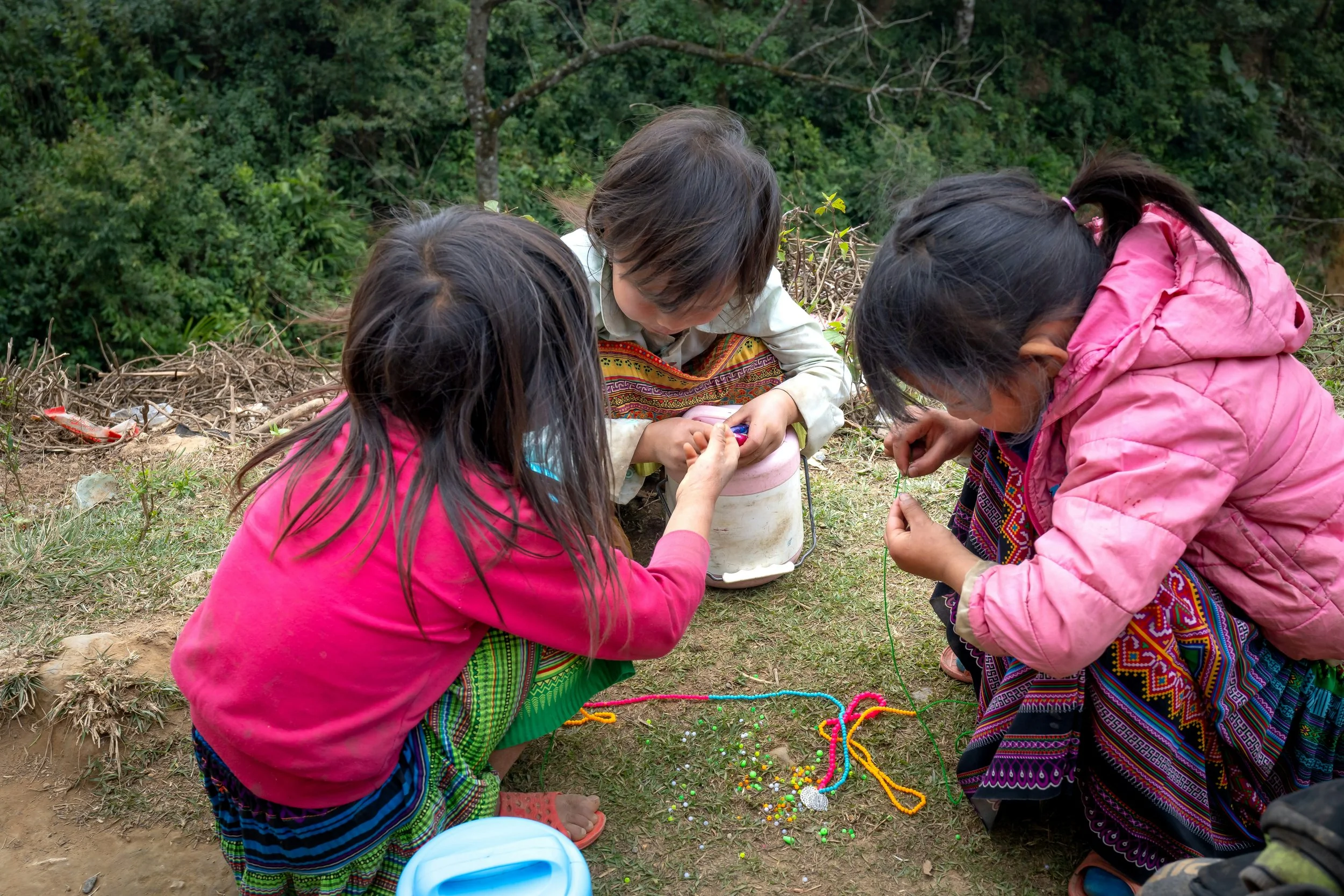
Photo by Quang Nguyen Vinh on Unsplash
Paul writes something significant in his letter to the Colossians: "Just as you received Christ Jesus as Lord, continue to live in him, rooted and built up in him, strengthened in the faith as you were taught, and overflowing with thankfulness." (Colossians 2:6–7)
The phrase I want to double-click here is “just as”.
Paul expects continuity between how the Colossians received Christ and how they continue walking with Him. The pattern that brought them into relationship with God is the pattern that sustains them in it.
How you begin shapes how you continue.
This is not a small observation. It has real implications for how we help people take their first steps toward God.
What the Beginning Sets Up
Every pathway into faith — whether we intend it or not — creates a template for what the ongoing relationship with God will look like.
A process centred on having the right knowledge creates a template where spiritual input flows from a person who knows to a person who doesn't. The new disciple receives knowledge about God AND the template teaches them that they need an expert to grow.
When an expert is unavailable, growth tends to stall. The pattern is built for dependency.
It is also difficult for new disciples to pass this pattern on to others, because doing so requires becoming the teacher — and most simply feel that they don’t have the necessary knowledge to teach.
This is a structural observation about what different processes put in place — and it has significant consequences for replication.
A Pattern that can Sustain and Replicate
The Discovery process works differently because it puts people in direct relationship with the Word and Spirit of God, and with each other, from the very beginning.
No expert is required.
A group of people — who may not yet identify as disciples — can gather, read a passage of Scripture together, and work through it: What does this say? What does it mean? What will I do with it?
The Spirit speaks through the Word. People respond to God directly, within their own cultural context and their existing relationships.
Potentially long before they identify as followers of Jesus, they are already learning a pattern of listening to God and responding to Him that is sustainable and replicable — one they can follow for the rest of their lives, and one they can pass on to someone else very easily.
They do not need to wait until they feel qualified. As they internalize the pattern of discovery God and walking with Him, they find they can bring others on the same journey, because it’s an integrated part of their own lives.
The pattern they are learning as they come to faith is a pattern they can use to keep growing in faith, and use to help others do the same.
A Journey Taken Together
There is another dimension that matters enormously, especially in cities where social networks can be fragile.
When a person first engages the King's invitation in isolation, it becomes an individual journey that is separated from their existing relationships. By the time they are identifying as a follower of Jesus, there may be real distance between them and the people they were closest to before, and that gap can be very difficult to bridge after they have already started making major changes in response to God.
A connected journey looks quite different: this is where the person can begin exploring God together with those who are closest to them. They explore questions together. They read Scripture together and wrestle with what it means. By the time someone is fully committed to following Jesus, their closest friends have walked the same road with them.
This process doesn’t just lead to a disciple but - potentially - a supportive discipleship community. And the process they have been through together is one they simply keep doing, because they have been doing it all along.
This isn’t always possible, especially in cities, but it’s a game-changer when it is. Especially for people who don’t naturally or easily connect with Christian culture.
Truth Discovered is Truth that is Owned for Life
There is also a different quality of confidence that comes from knowing God through a journey of personal discovery (especially with friends) rather than merely agreeing with somebody else’s statements about Him. The assurance that the relationship is real comes from the character of God as they have seen it — in the stories of Abraham, of the psalms, of Jesus — and in their own growing experience of His presence and His Word.
As someone chooses to make incremental changes to their life in response to who they are discovering God to be and make the changes they believe He wants them to make, they experience freedom and transformation (and yes, perhaps, some internal resistance and external opposition as well) But there is life and peace when we choose to respond to God in faith, and that breeds a confidence that can’t come any other way.
That gives disciples a foundational pattern that can hold across a lifetime, and across any cultural context, because it was never built on someone else's knowledge, convictions or tradition.
Getting Practical
As you think about God's vision for your city and/or affinity group:
1) A Scripture — Colossians 2:6–7: "Just as you received Christ Jesus as Lord, continue to live in him, rooted and built up in him, strengthened in the faith as you were taught, and overflowing with thankfulness." Think about your own journey - which aspects of the way you received Christ Jesus have been an ongoing part of how you “continue in Him”?
2) Think about the people you are currently walking alongside who are exploring God. What pattern are they learning through the process you are using — is it a pattern they could continue and pass on without you?
3) Consider inviting someone in your existing network to explore a passage of Scripture together — as a shared inquiry, not a formal study. What passage might connect with something they are already thinking about or carrying?
S. Crawley serves leaders and teams in Asia carrying a vision for their cities and is passionate about helping people grow in authentic relationships. He also knows how to make nachos.
© 2026 S. Crawley. All rights reserved.
One article a week
For anyone who carries a hunger for the lost and broken in their city.