
Urban Discipleship Articles
Practical, field-tested thinking and experience on discipleship, mission, and what it means to partner with God in the city. Written by practitioners from across the global learning community focussed on the unique challenges of the urban harvest field.

Tables, Not Stages: Reaching a City Through the Few
A city of five million will never be reached by one leader being everywhere, however large or healthy his church becomes.
Bruce did the math and made an uncomfortable decision: give most of his time to twelve people nobody has heard of.
What if the way to reach the many is to become more deeply present to the few?
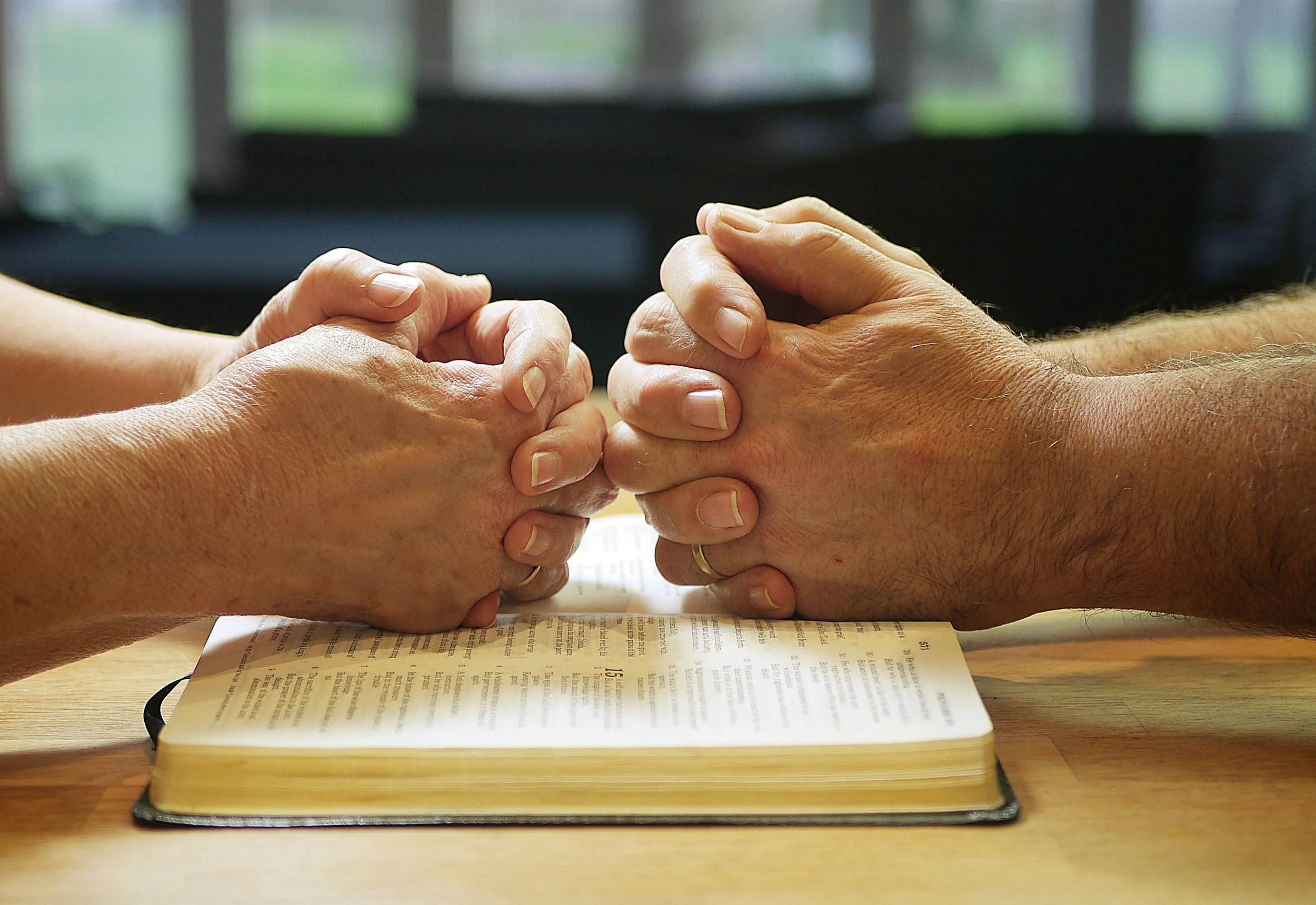
Praying and Mobilising Prayer for Your City — from Event to Posture
Mobilising prayer for a city can quietly become its own kind of performance — bigger gatherings, longer sessions — and still feel lifeless underneath.
This article shares four keys this team has found uncovered that keep prayer grounded and life-giving.

What a Kettlebell Class Taught Me About Making Disciples
The opportunity to connect with strangers conquered the writer’s unwillingness to join an exercise class.
What began as a Monday morning kettlebell class in one home became a space where some ladies found community, wholeness, and unexpected encounters with God — a rhythm that then followed its host across an ocean and took root again in a whole new city.

Becoming Someone Who Brings Peace
No Bible study invite. No tract handed out. One office worker's honest testimonies opened a door to disicpleship and evangelism he never planned for.
This piece explores what changes when we become known as someone who brings peace.

Fractals and Faith: Why Your Leadership DNA Matters
Humans build hierarchically — different rules for the street sweeper, the middle manager, the executive. But that's not how movements grow.
In nature and in the kingdom, the pattern repeats at every scale: the same rhythms of life for the newest disciple and the most seasoned leader. So which are we nurturing — a hierarchy, or a fractal?
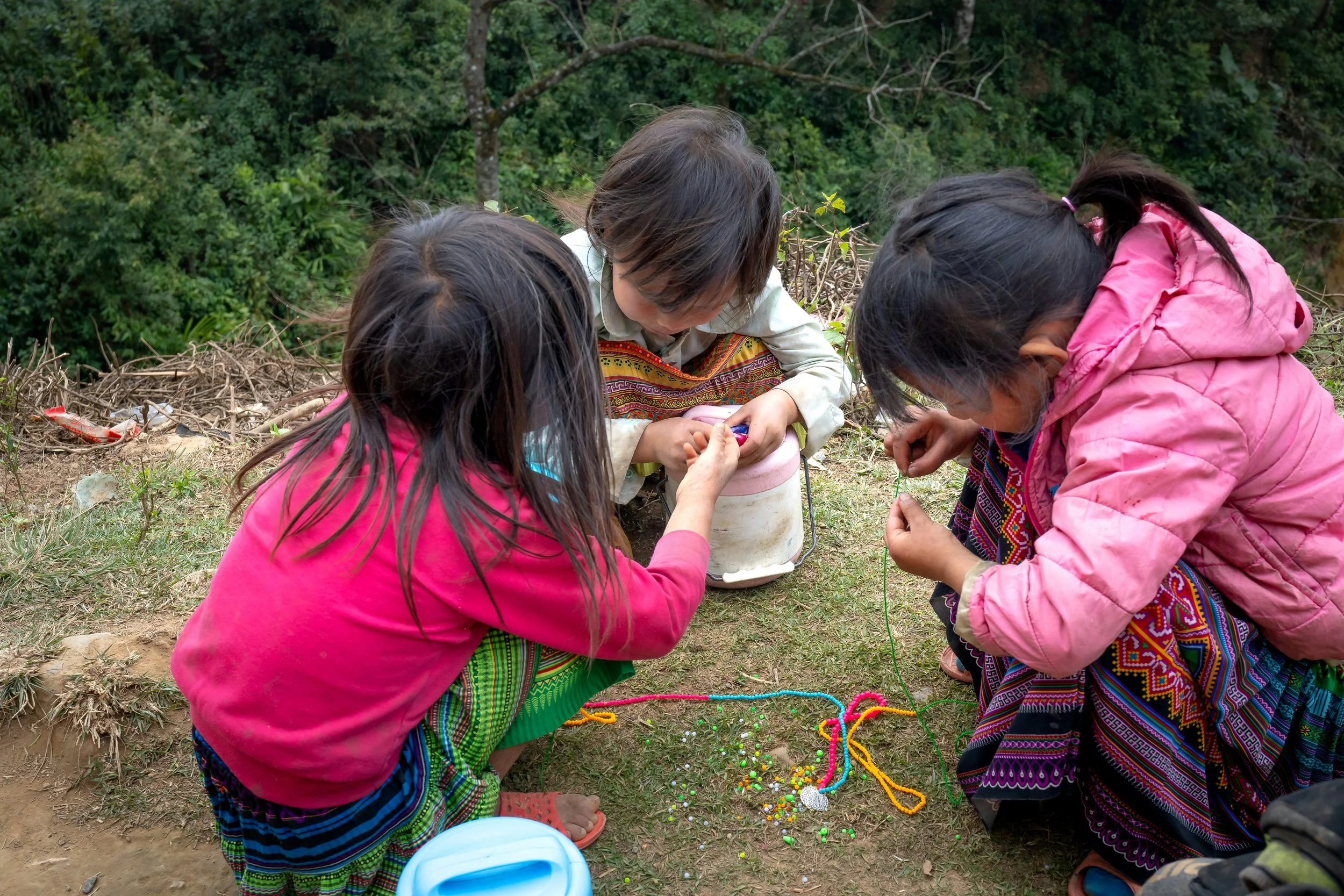
How You Begin Shapes How You Continue - three ways discovery lays a strong foundation for discipleship
Discipleship pathways that rely on an expert often stall without one. This piece explores why a discovery-based start builds faith that replicates.

I Thought This Wouldn't Work Here
A movement leader and catalyst confesses how he initially dismissed movement principles that he felt would not work in his context, and how God proved him wrong.
He then shares a key principle - how asking for help can open the door to disciple-making - and how Jesus’ choices at a well in Samaria reshaped how he approaches the harvest.
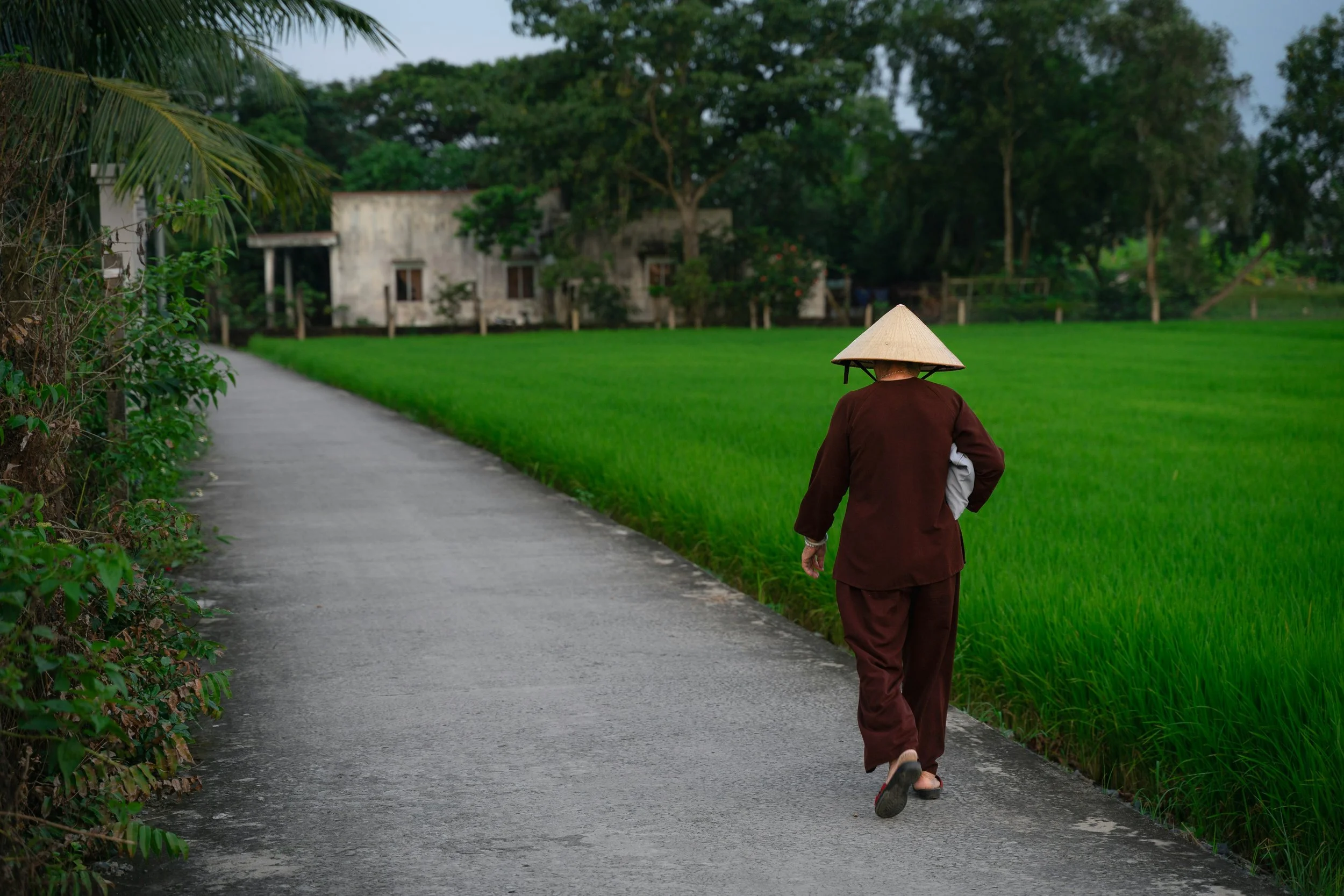
What Can Happen When You Stay With One Person (even when you keep leaving)
We sometimes assume more ground covered means more fruit. But what if the pattern — the biblical pattern — is the opposite?
This is the story of one week in one village, one couple, and what grew from staying rather than moving on. Not a method. Not a programme. Just presence, Word, and Spirit — and then getting out of the way.

Even Introverts Have A Harvest Field
The thought of evangelism makes some people freeze. What’s the answer? Change your personality? Just be more courageous, or learn the right technique?
One leader shares what she learned as an introverted couple in her group got clarity on their passion and focus.

Movement Is Not The Goal (but it might be the fruit)
If our goal is to produce a disciple-making movement, we are in trouble.
“Chasing the harvest” can quietly replace the people God actually gave us to love and to serve. This piece contemplates what is in the centre of what we do, why our goal is faithfulness, and movement is the fruit God sovereignly grows.
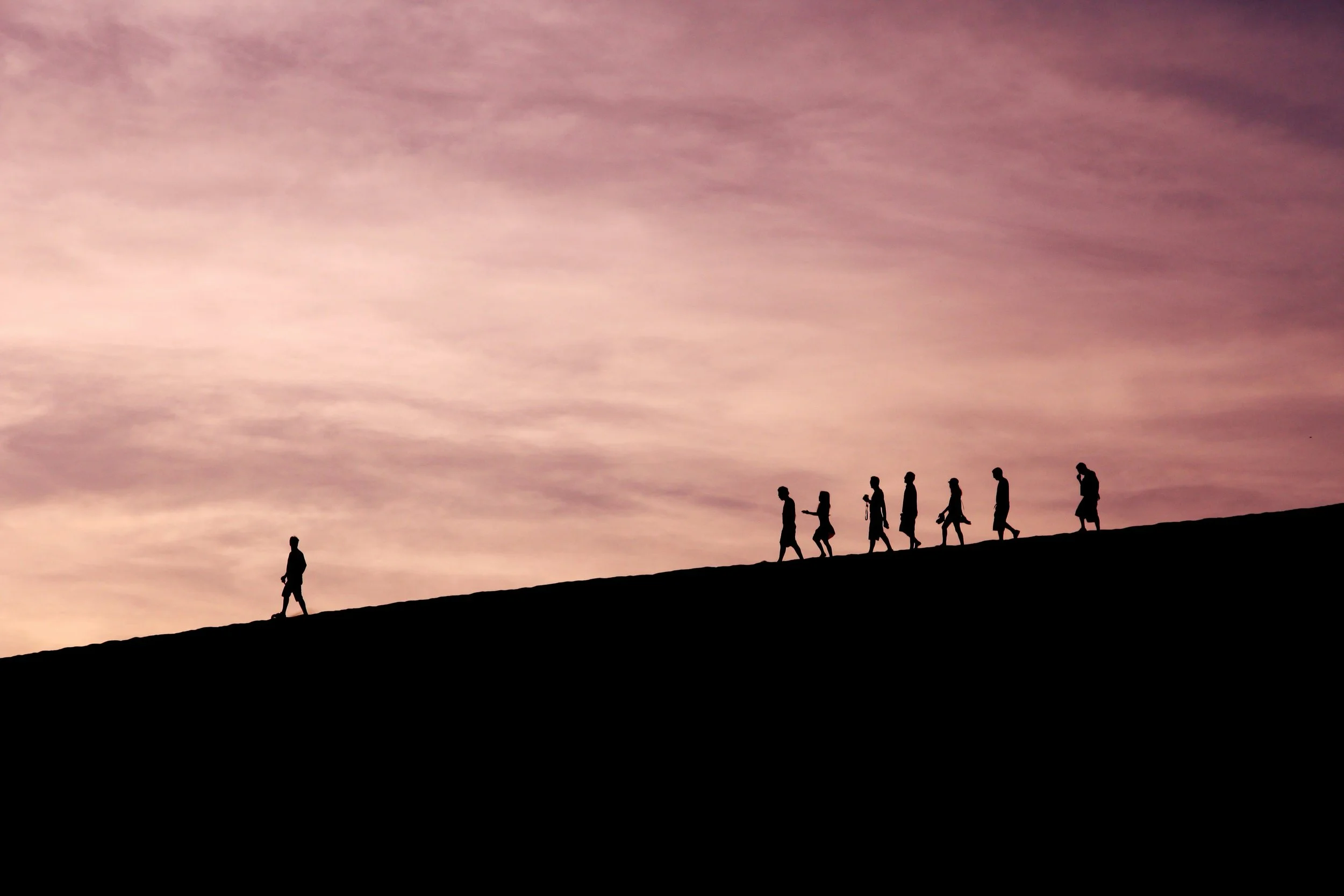
Five Rhythms of Fractal Leadership: Living the Pattern Together
A question every disciplemaking team eventually has to face: are we living what we ask others to live?
One team surfaced five rhythms — patterns that keep resurfacing across Scripture — and put them to the test over time.
How to See What God Is Doing in Your City
You move into a city carrying a burden for the harvest — and almost immediately the scale overwhelms you. Where do you start?
Ecosystem mapping is one team's answer: a practice of drawing an honest circle around the relationships, spaces, and rhythms where God has currently given you influence, and asking what He is doing there.

The Low-Hanging Goal: Cultivating a Culture of Mutual Blessing
Everyone loves the idea of unity, but the devil is often in the details.
Ryan suggests some ‘low hanging’ ways to move toward existing churches and harvest movements as teammates, each carrying a different part of the same assignment in our cities.
Perhaps living out unity can be simple.

What Is Our Evangelism Inviting People Into?
The Pharisees were convinced that successful evangelism would result in people following their practices and rhythms. They were confused when they saw Jesus’ disciples doing something that looked different.
Jesus’ challenge to them should also challenge us. What does our evangelism invite people into?

The Question I Asked From A Grab Car
One Sunday morning taxi ride. A driver's simple question to migrant workers led to a year of discipleship.
What it reveals about trusting the Word to do the work, multiplication, and letting go.

You Have the Word. You Have the Holy Spirit. Go.
Maybe making disciples isn’t that complicated? Maybe we’re already qualified?
A practitioner shares his story and what he concluded.
When "Where Do You Go to Church?" Gets Complicated
“Where do you go to church?” A simple, straightforward question for many Christians, but the assumptions it contains make it awkward for disciples whose ministry means that their community doesn’t fit the traditional mould.
One harvest worker shares how God shaped him through his wrestle with this question.
4 Ways To “GO” Together In Cities
Cities scatter us. The communal heart of the Great Commission may feel out of reach. But what if the problem isn't commitment — it's that we're holding a fixed picture of what "going together" has to look like?
Four approaches from Asian cities suggest there may be more options than we think.