
Praying and Mobilising Prayer for Your City — from Event to Posture
By S. Crawley
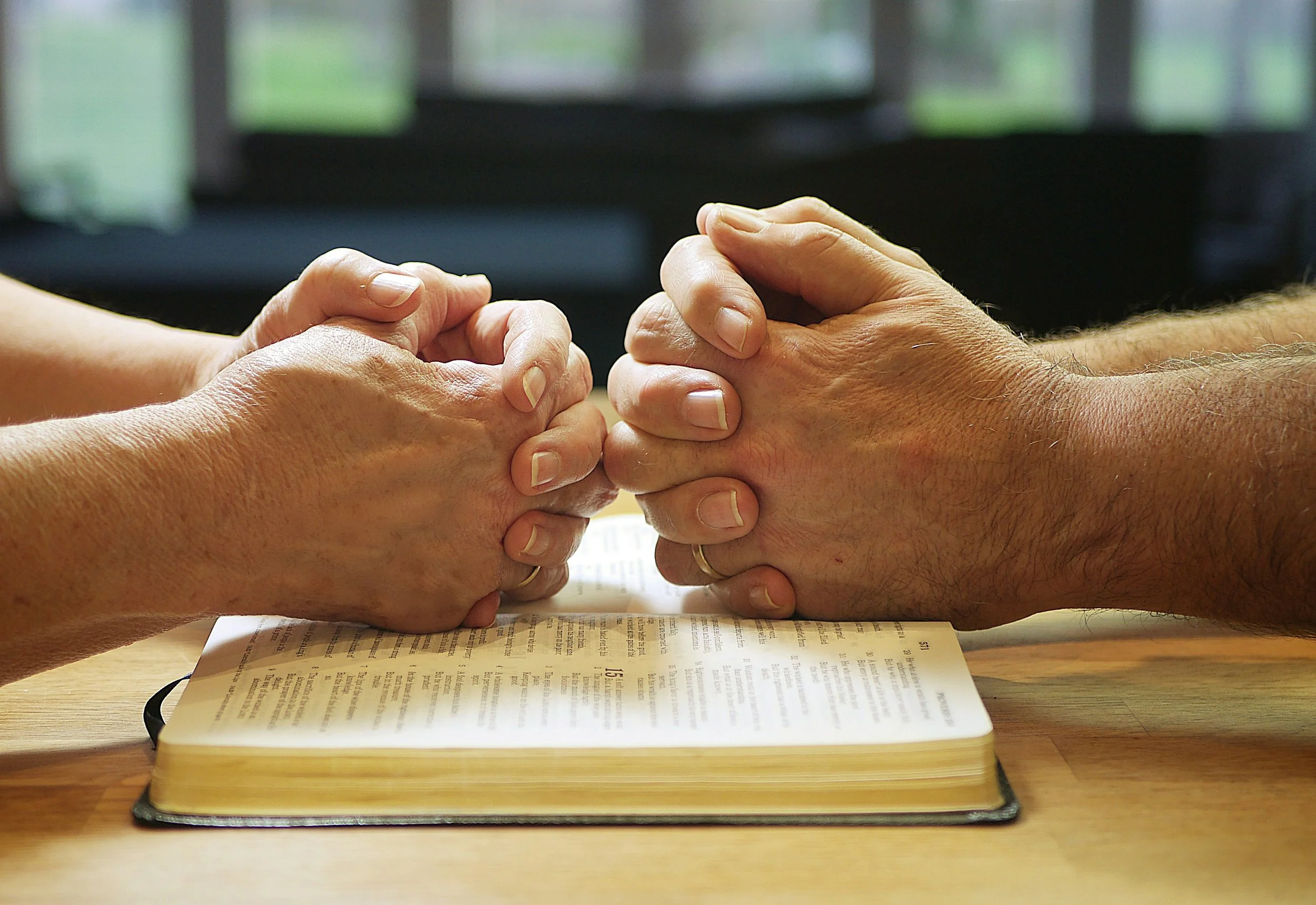
Photo by Tony Lomas on Unsplash
Mobilising prayer for the city can become its own kind of performance — more events, bigger gatherings, longer sessions — and still be lifeless. It happens gradually, and can be easy to miss because it looks like faithfulness.
Here are four things our team has learned along the journey. You’ll notice some overlap between them - a bit like looking at the same diamond from different angles.
1. From event to culture
The mistake is to focus on scaling up prayer activity and call that "multiplying prayer."
Don’t get me wrong - events can serve prayer in powerful ways. A shared gathering can mark a season, create momentum, and help people feel connected to something larger than their immediate context. All of that has real value.
The real weight, though, is in a lifestyle and a posture of listening, of abiding, of leaning into the Father and bringing the city before Him from that place. We can say this with confidence, because this is where the weight and emphasis of Scripture lies.
Romans 12:1–2 describes this posture: completely surrendered and available, able to test and approve His good, pleasing, and perfect will. Prayer is a posture we embody — a daily orientation toward God and the city, not a meeting we schedule and attend.
As we thought about catalysing prayer in our city, the question we wrestled with was how do we enable and empower communities of people who pray as a way of life — genuinely seeking God's will for their harvest field day to day, not just during scheduled prayer times?
Events are still useful in this picture, but by themselves they can’t produce the depth that emerges from a genuine culture of abiding, listening, expectant prayer.
Colossians 1:9–10 shows what this looks like in Paul's own prayer life: he asks not for God to accomplish a list of outcomes, but that believers would be filled with the knowledge of His will through spiritual wisdom — so they could live and act from that knowledge. The posture is one of discernment. Asking for what He already wants to give.
2. Scripture as a springboard for seeking God
One practical rhythm that has been consistently powerful is anchoring prayer gatherings in Bible passages that describe God's end-vision — there are at least fifty passages in Scripture that describe what He is ultimately working toward, and they are rich territory for prayer.
The rhythm is simple: gather with the city or affinity in mind, read a passage slowly, sit with it, share what surfaces, and let it become a springboard into prayer. What is He saying? What is stirring? Respond from the heart, praying according to what the Word and the Spirit have surfaced together.
This is a listening practice.
What makes it generative over time is that God speaks through His Word as people are seeking Him together. The Spirit moves through the Word, and God becomes an active participant in the prayer meeting.
Particular images and themes emerge as they pray and the group locks in on where they sense God is directing their attention. They make connections between the passages of Scripture and what they observe in the communities around them. The prayer that emerges from that process carries a quality that shopping-list prayer meetings can’t match.
Teams using this rhythm have kept it for years without it going stale — no prepared curriculum required, no expert facilitator needed.
3. A clear call gives people something to rally to
Prayer for the city multiplies best when it is tied to a clear and compelling call and a broad invitation to "pray for the city" may be too vague to grip people's hearts.
A specific outcome or vision is much longer lasting. Maybe you’re already carrying something specific in your heart, or maybe there is brokenness or a situation in your city that provides a clear vision.
When we lack clarity or certainty about the future that God wants to birth in our city, we find ourselves going back to images grounded in God’s heart and Word: God's glory saturating every corner of the city (Hab 2:14), every affinity group in the city sitting down to feast and fellowship with the King (Isaiah 25:6-8), families and communities responding to the care and healing of the Shepherd-King (Ezekiel 34:11-16) — these images never grow old or cold. As we pray together over time, the vision God is building in people gets named and nurtured.
At the city level, we’re dealing with a lot of complexity.
The overarching vision may be same, but the people who come into the room may potentially be called in many different directions within the city. We’ve found the leader's best contribution here is to hold the vision, create spaces to seek and listen to God together, empower others to move forward in their specific callings, and trust God to lead.
4. Specific prayer is easier than general prayer
It’s as we break the city down into bite-sized chunks that we get vision that is more granular and tangible.
Eighty thousand people in a district or estate is a concept. A specific affinity group: people sharing a kind of hunger, a particular kind of brokenness, a set of circumstances they hold in common. That is concrete enough to bring before the Father with genuine heart and genuine expectation.
Part of cultivating harvest-focused prayer is helping people identify where God has given them a specific burden: which people, which affinity, which patch of the urban harvest field.
At the level of affinity it’s easy to get a detailed picture of what wholeness, shalom, and viral discipleship might look like. The group can identify specific needs, opportunities and relationships to pray and dream into. From here, team and collaborative projects can be birthed.
The macro call holds the vision. The specific assignment gives it flesh and brings it into the room.
Getting Practical
As you think about God's vision for your city and/or affinity group:
1) Matthew 9:37–38 — Jesus is moved with compassion for the crowds and calls His disciples to pray for harvest workers. What does this passage reveal about the connection between compassion, prayer, and being sent?
2) Think about the prayer culture in your team or community right now. Where is there potential to create more space for Word and Spirit to feed and inform the prayer?
3) Is there a specific affinity group you carry a genuine burden for? Who do you know who might be interested in joining you to pray for them and connect with them?
S. Crawley serves leaders and teams in Asia carrying a vision for their cities and is passionate about helping people grow in authentic relationships. He also knows how to make nachos.
© 2026 S. Crawley. All rights reserved.
One article a week
For anyone who carries a hunger for the lost and broken in their city.