
A Pathway to Joy in Community: Immersion, Imitation, and God's Story (Discipleship!)
By S. Crawley
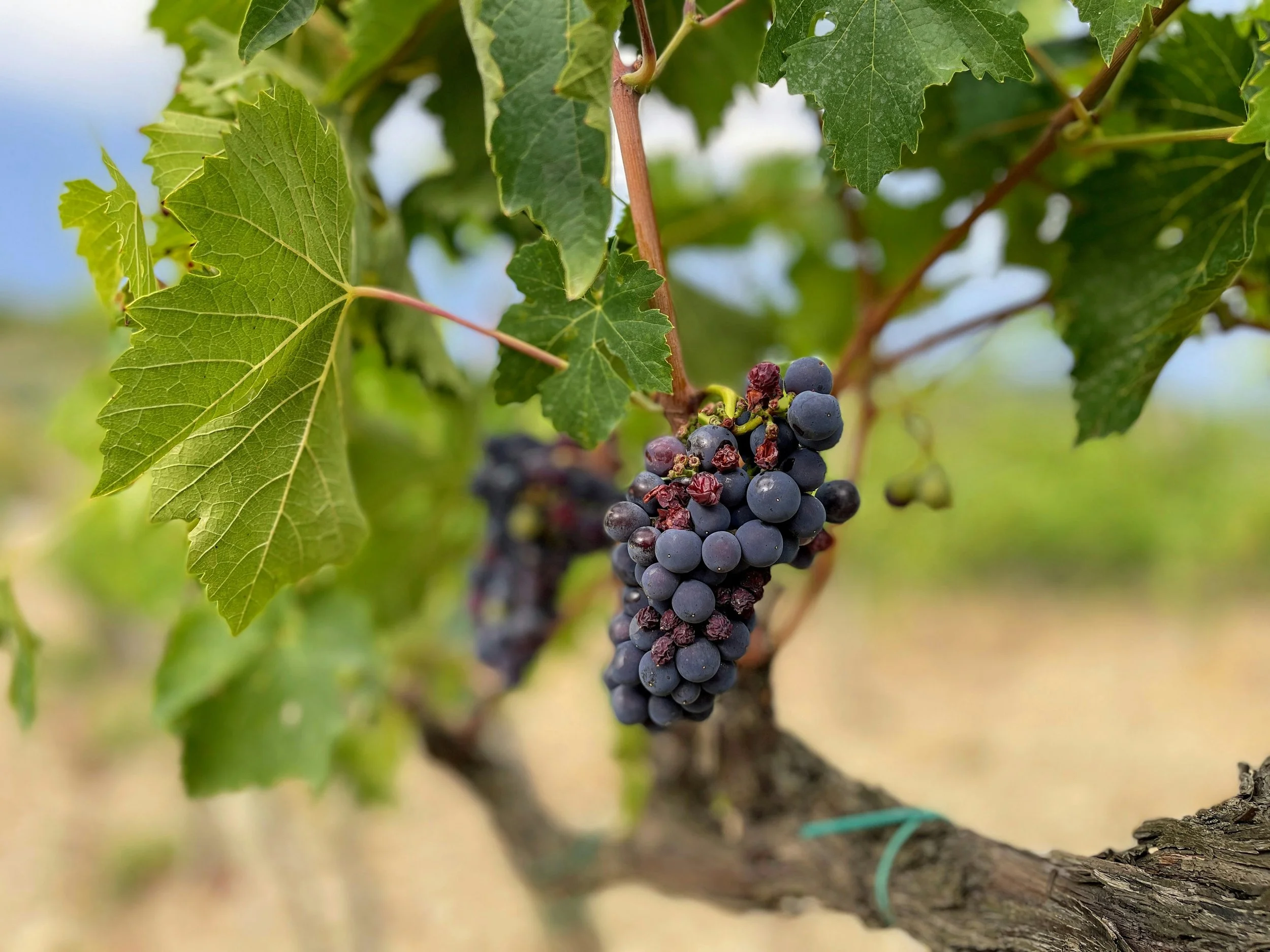
Photo by Mark Attree on Unsplash
Joy That Can't Be Manufactured
"Joy" is a hot topic at the moment.
This is partly because of recent discoveries in neuroscience and books like "The Other Half of Church" by Jim Wilder. Partly because there is a growing realisation by many that this is an important and valuable part of life that can easily go missing in the complexity and busy-ness of urban life.
Wilder argues that relational joy—being glad to be together—is an essential and often missing foundation for authentic community of Jesus' disciples.
So how do we cultivate joy in our teams, our communities and our churches?
Joy as Fruit, Not Product
Here's the truth: joy is not something that can be manufactured or engineered.
Joy has to arise. When we see Scripture talking about joy, it's a fruit, it's an outcome. In John 15, joy is something that emerges from intimacy and union with the Father and with the Son. It comes from abiding in the vine. In Galatians 5, joy is a fruit of the Spirit - something that emerges from a life that is surrendered to the Holy Spirit and flowing with Him, directed by Him, as opposed to a life that is guided by the flesh or by law and principles.
Joy is fruit that emerges out of participation in the life of God and alignment with the heart of God.
This means we can't program it or produce it through better planning or more engaging gatherings.
However, there is a reliable pathway towards joy - a pathway that aligns with how God works and how transformation happens in communities.
Two Movements Toward Joy
First Movement : Immerse in God's Story
The first part of a reliable pathway towards joy is for the community to immerse itself in the story of God.
Why is this so crucial?
Because we're all operating off different stories.
There are all these voices in our lives and our hearts telling us who we are, who God is, who the people around us are, what the world is like, what goals and hopes we should pursue. We've got all these stories playing around us, and over the course of our lives we take parts of these stories on and we internalize them. Most of the time we don't even think about it - we're just living in response.
Someone does something or says something, and reactions are triggered within us, and we think, "That's not what I wanted to do!" It's like we're living off muscle memory in response to these stories.
We need to internalize God's story. We need to orient - reorient - ourselves in alignment with His story. His story is THE story. That's where the world's going. That's who we are. It's the part He's inviting us to play. Who He is. Who other people are made to be.
We need to soak in this story individually, and as a community we need to soak in this story together.
We need to find ourselves, learn ourselves, and lose ourselves in God's story together. We need to work out together how we reorient ourselves around His narrative. This is the fundamental thing, the long-term thing.
It doesn't happen quickly.
It takes practice, iterations, discovering the story step-by-step, working out how we integrate that in our world and in our relationships with each other.
This immersion in God's story is not passive Bible study - it's active engagement with the narrative that shapes all reality. Discovery Bible Study is one process that facilitates this powerfully.
Second Movement : Embody the Pattern
The other practical step is this: those who are already on that journey with the story lead the way.
They show what it looks like to embody and incarnate that story. When they're living out of that story themselves, they have joy.
They function differently - they're already in that Spirit flow, or at least growing in that Spirit flow, and they can set an example.
They can set a pattern that the rest of the group or the community can follow.
This is exactly what Paul understood when he repeatedly told the churches to imitate him as he followed Christ.
"Follow my example, as I follow the example of Christ" (1 Cor 11:1). "Join together in following my example, brothers and sisters, and just as you have us as a model, keep your eyes on those who live as we do" (Phil 3:17). "You became imitators of us and of the Lord" (1 Thess 1:6). Paul wasn't being arrogant - he was offering himself as a living pattern of what it looks like to embody God's story in real time, in real contexts.
The pattern doesn't need to be perfect, and it won't be.
But it helps to have someone - or a few someones - who is already actively leaning into that integration with the story of God that we're invited into. When we see and experience living examples, it becomes quicker and easier to 'catch' the story and how to embody it.
This is why knowledge and strategy are insufficient for discipleship - we need to embody a life shared with God if we want to be able to pass it on.
The Journey Together
Joy emerges when a community is immersed together in God's story and when those further along the path make that story visible and tangible through their own lives.
It's not about having all the answers or being spiritually mature before you can lead. It's about being honest about where you are on the journey and inviting others to walk alongside you. It's about creating space where God's story can be discovered, explored, questioned, and lived out together.
As we immerse ourselves in His narrative and follow those who are embodying it, joy begins to arise naturally - not as something we've manufactured, but as fruit that grows from the vine.
Getting Practical
1) What competing stories are currently shaping your community's sense of identity, purpose, and hope? How might you create space for your team or church to immerse more deeply in God's story together?
2) Who in your community embodies joy? How could you create opportunity for others to 'catch' what they carry in that area?
3) Personally, what is one step or change that would move you towards deeper joy? Which part of God's story speaks to that desire or need?
S. Crawley serves leaders and teams in Asia carrying a vision for their cities and is passionate about helping people grow in authentic relationships. He also knows how to make nachos.
© 2026 S. Crawley. All rights reserved.
One article a week
For anyone who carries a hunger for the lost and broken in their city.